







Search Results for: tea shelf life
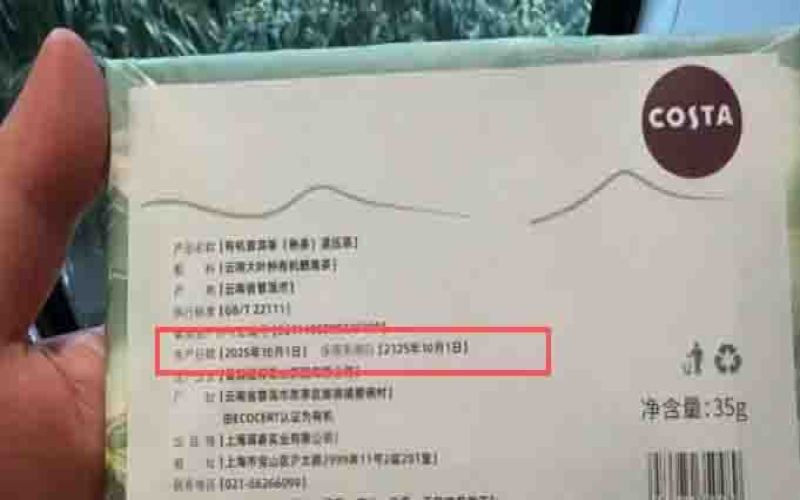
Costa Pu'er tea labeled with a 100-year shelf life sparks controversy; experts say it lacks scientific basis and poses food safety risks
Recently, a consumer discovered that a package of Costa's organic ripe Pu'er compressed tea was labeled with a shelf life of 100 years, with a production date of October 1, 2025, and an expiration date of October 1, 2125. This bizarre labeling quickly sparked questions: was it a printing error, or can tea cakes really be stored for a century? Customer service responded that "the older the tea, the more fragrant it is," but experts and lawyers both pointed out that the national standard for Pu'er tea only states "suitable for long-term storage," with no fixed number of years. A 100-year shelf life can neither be scientifically verified nor is it free from hidden food safety risks such as mold. At the same time, some e-commerce platforms still sell Costa Pu'er tea with a shelf life labeled as 9,999 days, which works out to more than 27 years. As coffee enthusiasts, Front Street Coffee also reminds you to pay attention to the compliance and scientific validity of beverage shelf-life labeling. [more…]
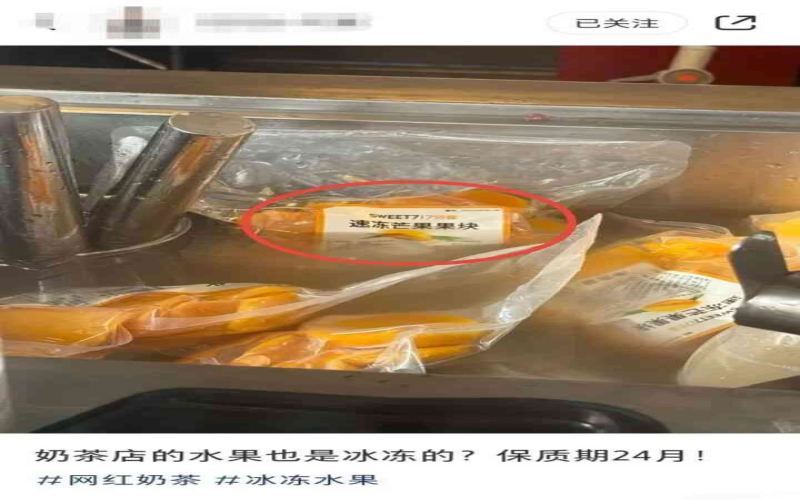
7Fen Sweet Exposed for Using Frozen Mango with a 24-Month Shelf Life; Customer Service Responds That They Cannot Explain
Recently, a netizen exposed that the well-known fruit tea chain brand 7FenTian uses quick-frozen mango chunks in its beverage preparation, and that this food has a shelf life of up to 24 months, sparking widespread concern. The brand is known for its signature product Yangzhi Ganlu, and both its ordering mini-program and offline stores advertise the use of fresh mangoes and freshly cut soft and glutinous mangoes, but the expose revealed that the stores actually use quick-frozen fruit chunks. 7FenTian customer service confirmed that the quick-frozen mango chunks are uniformly ordered and delivered by the company, and the shelf life is indeed 24 months, but regarding why quick-frozen fruit chunks are still used when fresh mangoes are available, customer service said it could not explain. At present, the expose post has been deleted, and the brand has not yet made a public response regarding issues such as the proportion of quick-frozen mango use and the failure to clearly inform consumers of the type of ingredients. As coffee enthusiasts, understanding the true situation of beverage ingredients is equally important. Front Street Coffee continues to follow industry developments and brings you objective reporting. [more…]
How much does Wudong Dancong tea in an iron tin cost? A detailed explanation of Phoenix Dancong's shelf life and storage duration
Many people wonder why some teas have the characters "single bush" in their names—like the common Phoenix Dancong, aged Phoenix Dancong, and frozen Wudong Dancong. To understand this naming convention, we need to start with the definition of Phoenix Dancong: it is made by selecting superior individual bushes from the Phoenix Shuixian population, which are then cultivated, picked, processed, and sold separately. These tea trees, processed using the single-bush method, are collectively called Phoenix Dancong. In contrast is the blending process used for Pu'er tea: to create different flavors, tea makers blend leaves from different mountains, seasons, and tenderness levels. Of course, some Pu'er enthusiasts prefer single-bush ancient tree tea. It is precisely for the convenience of cultivation and management, picking and processing, and consumer purchasing that Phoenix tea farmers classify and name tea trees based on tree morphology, finished tea characteristics, and growing environment. Accumulated over generations, this has formed hundreds of strains and varieties. This article will explain the issues everyone cares about regarding Wudong Dancong: its tin box packaging, market price, shelf life, and storage time. [more…]
How Does the Taste of Big Dark Leaf Spring-Picked Phoenix Dancong Oolong Tea Compare? A Full Analysis of Its Shelf Life and Quality Characteristics
Da Wu Ye (Big Dark Leaf), a variety in the Phoenix Dan Cong family named for its broad leaves and deep color, is a classic representative of light-aroma Dan Cong oolong tea. This Da Wu Ye spring-picked oolong tea comes from Fengxi Village, Phoenix Town, Chaozhou, Guangdong. It was harvested on May 13, 2021, using the standard of one bud and two leaves. The tea trees are about 40 years old, and the tea garden is located in Shitoujiao Tea Garden at an altitude of about 950 meters. The finished tea has plump, slightly curled strips, mainly dark brown with some green leaves interspersed, and carries a natural orchid fragrance, roasted aroma, and a faint milky scent. The tea liquor is bright and clear yellow, sweet and smooth on entry, with a long-lasting sweet aftertaste, an elegant and lingering orchid fragrance, and a moderate caffeine content. This article will provide a detailed explanation of this tea's flavor performance, brewing experience, and the shelf life of Phoenix Dan Cong, offering a reference for readers who enjoy oolong tea. Front Street Coffee also recommends paying attention to the storage methods and drinking rhythm of this type of light-aroma Dan Cong. [more…]
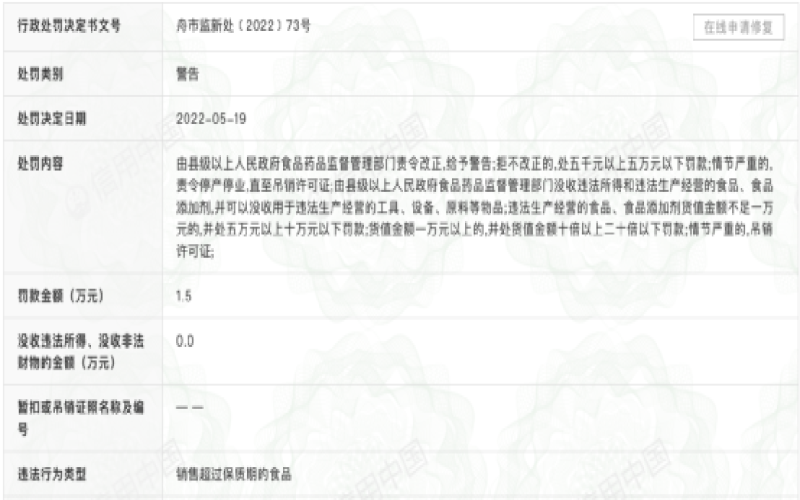
Punished bit by bit! Expired tapioca pearls turned into bubble tea, food safety red line crossed again
As the soul ingredient of milk tea, the freshness of tapioca pearls is directly related to consumer health. Recently, a Yidian Dian store at Zhoushan Ruxin Plaza was fined 15,000 yuan by regulatory authorities for using expired tapioca pearls to make and sell Bubble Milk Tea and other drinks. An investigation showed that the store involved not only used ingredients beyond their shelf life, but also failed to establish purchase inspection records as required. This is not the first time Yidian Dian has been involved in a food safety controversy; previously, a Fuzhou store was reported to have had a bug found in its milk tea. As the peak season for summer beverage consumption arrives, food safety issues have once again sounded the alarm. [more…]
Analysis of the Difference Between Coffee Beans' Peak Flavor Period and Shelf Life: Can Expired Beans Still Brew a Good Cup?
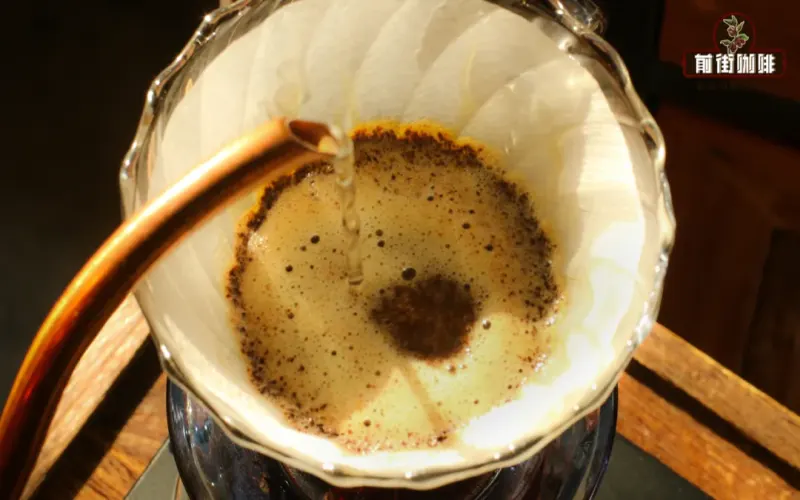
Many coffee enthusiasts know that roasted coffee beans, beyond their shelf life, also have a peak flavor window—the optimal tasting period. But if you accidentally miss this window, can the beans still be consumed? And how much will the flavor degrade? This article compares freshly roasted coffee beans with those stored for two months, using cupping to intuitively demonstrate the differences between the two, and explains how aroma volatilization affects the layers of coffee flavor. At the same time, the article also shares Front Street Coffee's commitment to fresh roasting and how to conveniently purchase high-quality coffee beans roasted within a week. [more…]
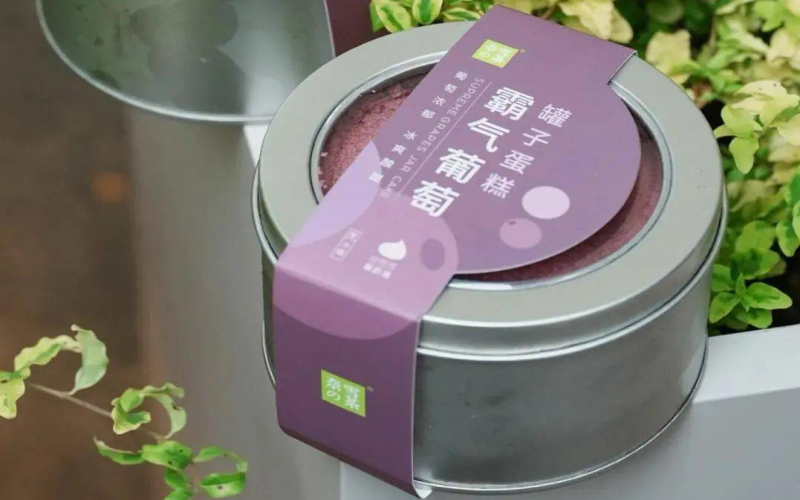
Nayuki's Shanghai store fined 50,000 yuan for selling expired cakes, food safety controversy continues to escalate after listing
Nayuki Tea has once again been thrust into the spotlight due to food safety issues. The Market Supervision Administration of Jing'an District, Shanghai, recently imposed a penalty on Nayuki's Shanghai Meilongzhen Plaza store for selling expired grape-flavored cakes to consumers, with a fine of 50,000 yuan. This is not an isolated case—since its listing on the Hong Kong Stock Exchange in June this year, Nayuki's stores have repeatedly been exposed for food safety scandals such as cockroach infestations, spoiled fruit, and excessive bacterial counts. Consequently, its stock price has plummeted from the issue price of HKD 19.80 to around HKD 9, leading to a significant drop in market value. From being the "first stock of new-style tea drinks" to being plagued by negative news, Nayuki's brand reputation is facing a severe test. [more…]

Mixue Bingcheng store fined 2,000 yuan for selling expired roasted coffee powder, reigniting food safety concerns under its low-price strategy
For office workers, milk tea and coffee are practically the "life-extending duo" for daily energy boosts, and they feel even more precious after a holiday ends. Mixue Bingcheng, with its dense network of stores from shopping malls to street corners and its affordable prices, lets many consumers enjoy a sweet treat with ease. However, a Mixue Bingcheng store in Guilin, Guangxi, was recently fined 2,000 yuan by regulators and had the involved ingredients confiscated because its roasted coffee powder had exceeded its shelf life. This incident has once again cast a shadow over the brand's image. Food safety issues occur frequently in the new-style tea beverage industry. While expanding rapidly, can Mixue Bingcheng hold the line on quality? This article will review the course of the incident and the industry background, and include channels for obtaining professional coffee information. [more…]
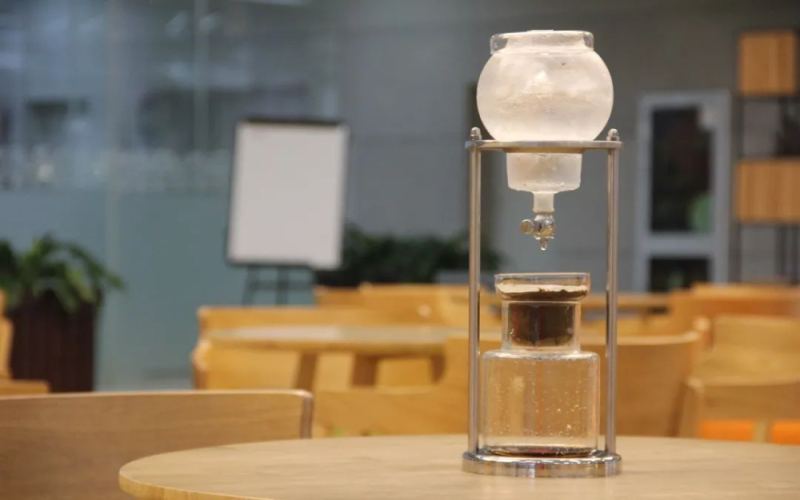
How long is the ideal shelf life for cold brew coffee? A full breakdown of its taste characteristics and key brewing points
Cold brew coffee, with its mellow sweetness and acidity and refreshingly cool, pleasant flavor, has become a highly sought-after coffee drink in summer. It is made by slowly drip-extracting with ice water, then cold-fermenting at low temperature. After many enthusiasts get their hands on a cold brew tower, they are often confused about grind size, flow rate, coffee-to-water ratio, and shelf life. Using Front Street Coffee's store output as a reference, this article demonstrates the cold brew coffee-making process in detail, answers how to set the drip parameters, and explains how long the brewed coffee liquid can be stored and how the flavor changes over time. It also recommends several coffee beans suitable for making cold brew, including different types such as refreshing floral and fruity, fermented winey, and rich fruity tea notes, helping you make a cup of full-flavored cold brew coffee at home. [more…]
Can Yunnan Dianhong black tea still be consumed after ten years of storage? An analysis of the aging potential and shelf life of Yunnan Dianhong.
Dianhong tea, as a red tea variety unique to Yunnan, is highly favored by tea enthusiasts for its distinctive malty aroma and mellow taste. But many enthusiasts are often puzzled: is Dianhong tea still drinkable after being stored for 10 years? How long exactly can Yunnan Dianhong tea be stored? Is aged red tea better the older it gets? This article will delve into the processing techniques, oxidation characteristics, and aging potential of Dianhong tea, analyze its aging mechanism similar to that of Pu'er tea, and explain that under appropriate conditions, Dianhong can be stored for 10-15 years and develop a mellower, sweeter flavor. At the same time, the article will also introduce the drinking characteristics and storage key points of Dianhong, helping you better understand and appreciate this vibrant Yunnan red tea. [more…]
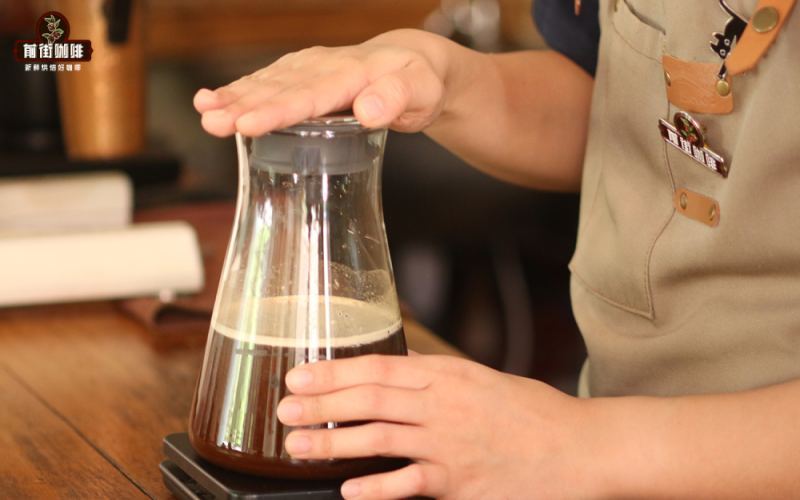
Cold Brew Coffee Shelf Life Fully Explained: Home Methods for Ice Drip and Cold Brew, Extraction Parameters, and Grind Size Recommendations
On a hot summer day, cold brew coffee becomes a favorite for many people. But how long can prepared cold brew be stored? What details should be noted when making ice drip and cold brew at home? This article provides a detailed explanation of the shelf life of cold brew coffee, the role of refrigerated aging, the flavor differences brought by different bean varieties, and the extraction parameters and grind size for ice drip and cold brew. At the same time, Front Street Coffee also gives specific suggestions based on the cold brew performance of its own beans such as Kenya, Strawberry Candy, and Gitiding Cooperative. Whether you are a beginner or a seasoned enthusiast, you can find practical references here. [more…]
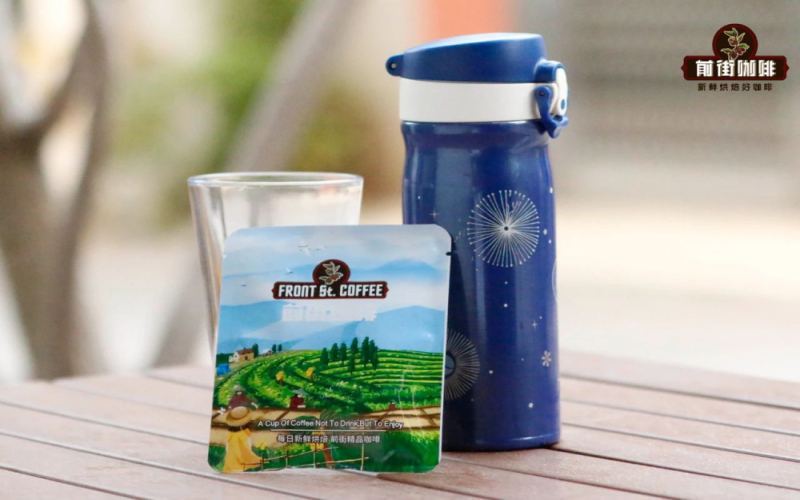
How long is the shelf life of drip bag coffee? Why freshly ground and freshly made is more worthwhile—Front Street helps you understand the peak flavor period and brewing key points
Drip bag coffee is convenient and quick, but how long is its shelf life and its peak-flavor window? Why does Front Street Coffee insist on grinding and making it fresh rather than preparing stock in advance? This article will analyze the production method of drip bag coffee, its storage time, and the reasons for flavor loss, and will also offer buying suggestions for several Front Street Coffee drip bag coffees, including Panama Geisha, Huakui, Brazil Semi-Washed, and Golden Mandheling. It will also explain the brewing approach of 10 g per packet and a 1:15 coffee-to-water ratio, helping you enjoy a more complete aroma and mouthfeel within a packet's best period. [more…]
What is the difference between the shelf life and the optimal enjoyment period of drip bag coffee? An analysis of brewing water volume and techniques
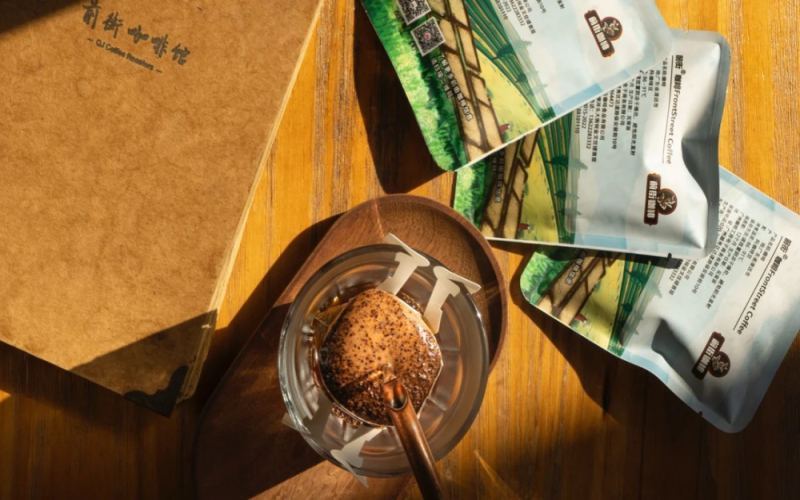
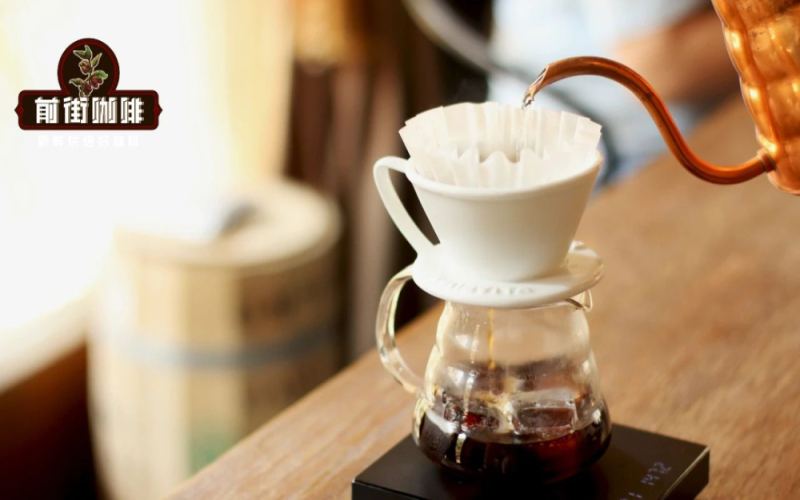
Although drip bag coffee may be labeled with a shelf life of up to 12 to 18 months, the window during which its flavor is truly at its best is very short. Through comparative experiments, Front Street Coffee found that drip bags made from freshly roasted beans typically show a noticeable decline in aroma after three weeks, while anaerobic-process types can maintain their quality for about a month. Therefore, they insist on making each drip bag on-site after an order is placed, and recommend that consumers finish drinking it within 20 days. This article will also explain the appropriate amount of water and the staged pouring method when brewing drip bag coffee, and recommend three classic coffee beans suitable for making drip bags, helping enthusiasts easily enjoy a good cup of coffee at home. [more…]
Beginner's Guide from Zero: A Complete Guide to the Key Points of Choosing Coffee Beans—Understanding Resting Period, Peak Flavor Period, and Shelf Life at Once
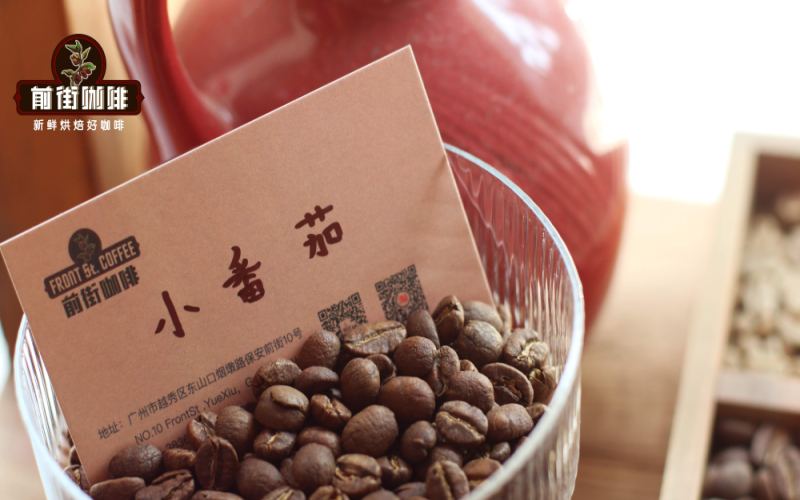
For friends who are just getting into freshly ground coffee, the dizzying array of coffee beans on e-commerce platforms often leaves them not knowing where to start. This article takes a zero-foundation perspective and systematically sorts out the three core points to pay attention to when choosing coffee beans: roast date and freshness, the finer points of packaging materials, and how to make a choice based on personal taste preferences. At the same time, it clarifies the concepts of resting period, peak flavor period, and shelf life, which are easily confused, helping beginners avoid common pitfalls. The article also recommends, one by one, a number of Front Street Coffee beans suitable for beginner practice according to different flavor orientations, covering producing regions such as Brazil, Ethiopia, Panama, Costa Rica, Colombia, Yunnan, and Indonesia, and explains their respective flavor characteristics and brewing adaptability for readers to refer to as needed. [more…]
How to Store Ground Coffee | Can Ground Coffee Be Put in the Fridge? How Long Does Ground Coffee Last? How Do the Flavor and Taste Change After Coffee Beans Are Ground into Coffee Powder?
It's a well-worn topic that freshly ground coffee brews up more fragrant, and we're also well aware of how important freshness is to coffee flavor. But sometimes, to avoid hassle, many friends have the merchant grind the coffee beans into powder before shipping when buying beans, because then when it's time to brew, there's no need to worry about what grind setting to use, nor [more…]
Shelf Life of Drip Coffee Bags | How to Store Filter Drip Coffee Bags? How Long Is the Optimal Flavor Period for Drip Coffee? Can Drip Coffee Bags Be Brewed Multiple Times?
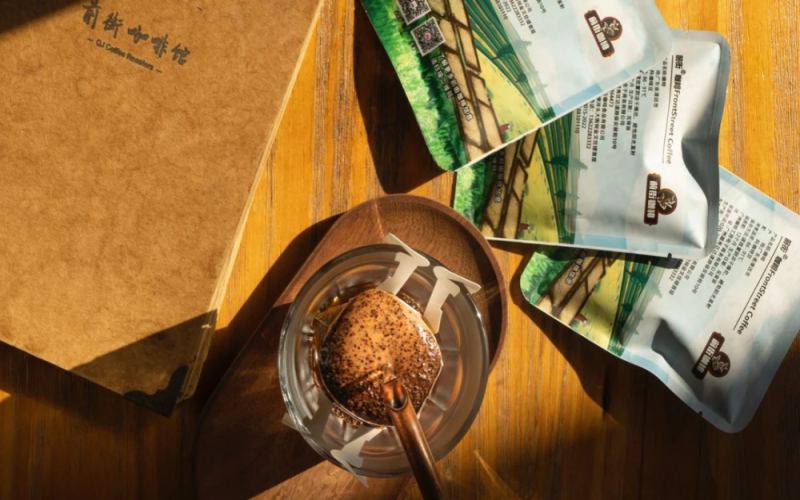
For food safety reasons, China's relevant food laws stipulate a one-year shelf life for coffee products. In fact, if you want to drink a good cup of coffee, Front Street Coffee (FrontStreet Coffee) recommends finishing it as soon as possible. Coffee fans who often buy coffee beans at Front Street know that the optimal flavor period of coffee beans [more…]
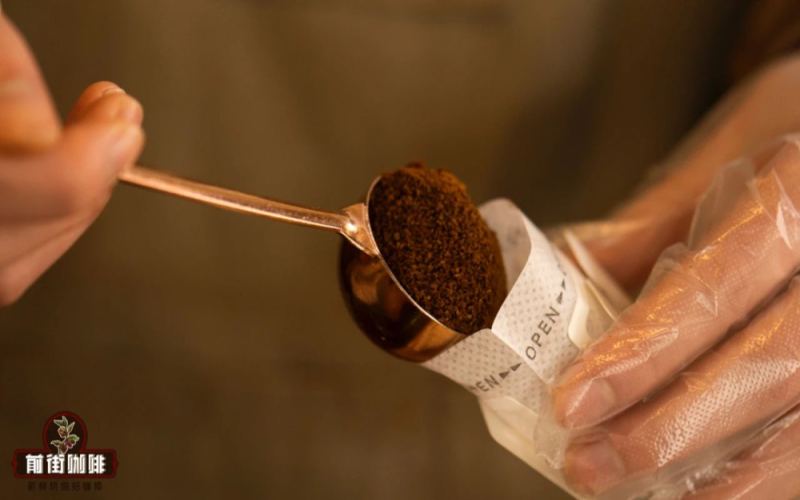
Why is the shelf life of drip coffee shorter than that of coffee beans? Breaking down storage time limits and key brewing points
Drip bag coffee, with its convenience of being ready to drink straight from the pack, has become a daily choice for many office worker coffee lovers. But it differs noticeably from coffee beans in terms of shelf life: coffee beans lose aroma continuously after roasting, and Front Street usually recommends customers finish them within two months; while drip bags made from ground coffee lose aroma at a much faster rate, with their best flavor often lasting only about two weeks. This article will explain the origins of drip bag coffee, the correct brewing steps, common misconceptions, and the reasons why the flavor window is shortened, while also introducing drip bag products developed by Front Street for coffee lovers, such as Honduras Lychee Orchid and Sherry, to help everyone recreate as much as possible the aroma and layers that a cup of specialty coffee should have in actual drinking. [more…]
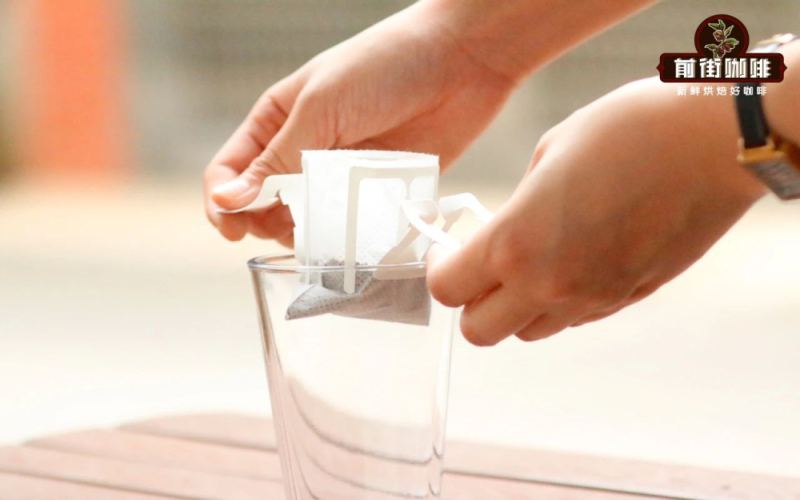
How to determine the ground coffee-to-water ratio for drip bag coffee? Key points on brewing water temperature and freshness, plus shelf life explained
Drip bag coffee has become a daily choice for many people thanks to its convenience—with just a cup and a kettle of hot water, you can easily get a cup of coffee that approaches the flavor of pour-over. However, to get the ideal taste out of drip bag coffee, there are three key details you must pay attention to: the freshness of the coffee grounds, the water temperature, and the ratio of coffee to water. This article will explain these three aspects, and introduce the different flavor types of Front Street Coffee drip bag coffee one by one, including four products: tea-like, floral, fermented fruity, and rich and mellow. It will also provide specific brewing steps and methods for adjusting the strength, helping you consistently make a delicious cup of drip bag coffee at home. [more…]
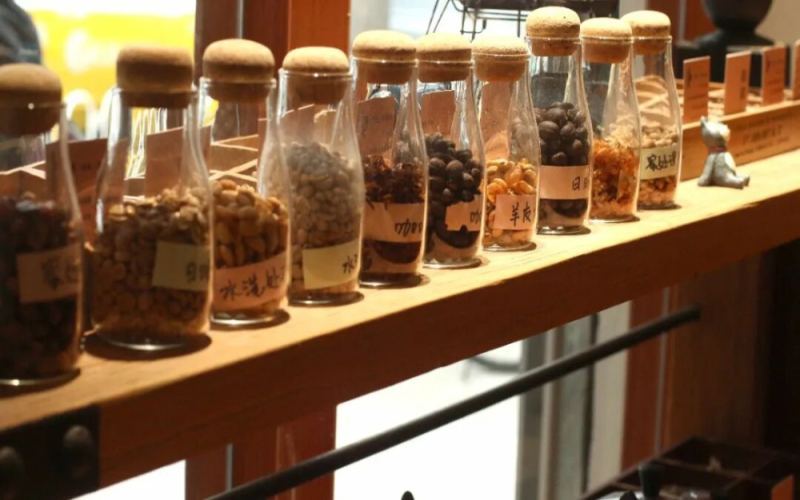
How can you judge the peak flavor period and shelf life of coffee beans? Can re-roasting expired beans restore their aroma?
From the moment roasting is complete, coffee beans embark on a one-way journey of gradually fading flavor. Many coffee lovers are often puzzled: how exactly should the peak-flavor period and the shelf life of coffee beans be judged? Can beans that are past their shelf life or peak-flavor period be "revived" through a second roast to bring back their aroma? This article starts from a real question asked by a customer at the Front Street store, combines the scientific laws of coffee bean degassing and flavor changes, and selects two single-origin beans with different roast levels—Front Street Huakui and Front Street PWN Golden Mandheling—for a comparative brewing experiment, using actual results to provide the answer, while also reminding everyone of the correct ways to buy and store coffee beans. [more…]
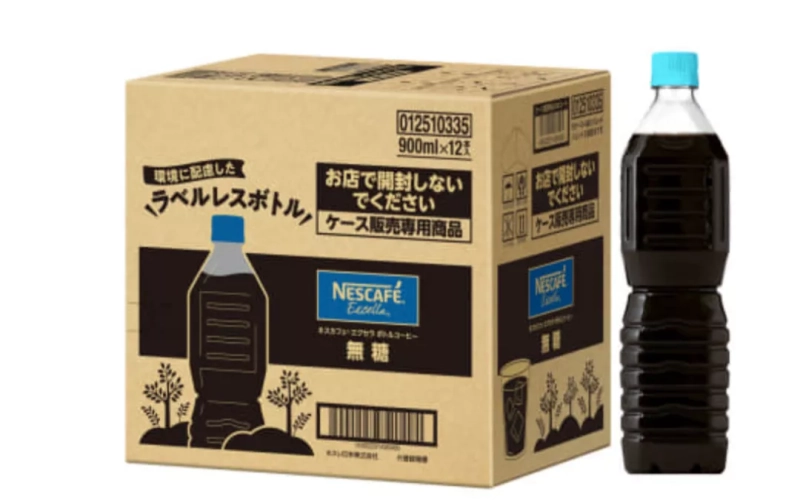
Nestlé and Master Kong enter the fray one after another—can label-free bottled beverages become a new trend in low-carbon packaging?
In recent years, as environmental awareness has risen, label-free bottled beverages have moved from once being considered "alternative" to becoming legalized. Brands such as Nestlé Japan Coffee, Asahi, Suntory, and Evian have successively tested the waters, and domestically, Master Kong has also launched label-free iced tea. Such products are mostly sold by the case, with only the shelf life and product name laser-printed on the bottle, while legal information is printed on the outer box. About 60% of Japanese consumers are willing to pay for them, mainly because it reduces PVC waste and the hassle of sorting. Domestic reactions are mixed: supporters believe it responds to carbon reduction, while those concerned see it as a promotional gimmick. This article sorts out the origins and development of this packaging change and explores whether it can be implemented over the long term. For friends who love drinking coffee, Front Street Coffee also continuously pays attention to such environmental trends. [more…]